
Hawaiian #2 × MAC1 Project Journal: A Cross Name Is a Map, Not a Verdict
A disciplined genetics read on Hawaiian #2 × MAC1: what the live Illest Haze product confirms, what the name suggests, and where honest reporting stops.

Answer first: the live Illest Haze product confirms one essential piece of genetic information: Hawaiian #2 × MAC1. That label identifies the named cross behind the current micro-batch living-soil flower. It does not, by itself, prove a breeder of record for either parent, a specific MAC1 cut, a filial generation, a phenotype number, a terpene panel, potency, effects, or the complete selection story.
That is not a shortcoming. It is the clean line between a project journal and fan fiction.
This journal was checked against the live Illest Haze catalog on August 2, 2026, 5:23 a.m. EDT. The product page was active, displayed a 28-gram option, showed an Add to bag control, and did not display a sold-out message. Inventory and listing details can change.
The confirmed project record
Here is the complete high-confidence record available from the live page:
- Release name: Hawaiian #2 × MAC1.
- Format: micro-batch living-soil THCA flower.
- Current public state: active when checked.
- Featured media: a real Illest Haze product photograph.
- Direct source: the live Hawaiian #2 × MAC1 product page.
Everything after those points needs a source, a label, or a careful qualifier.
The “×” tells us that the project is presented as a cross. “Hawaiian #2” tells us the first named parent is not being identified merely as Hawaiian; the number is part of the project label. “MAC1” tells us the second named parent is presented under that cultivar name. The product page does not establish additional pedigree layers, and this article will not invent them.
Why the number matters
Numbers in cultivar and project names can carry several meanings across the industry: a selection, a plant identifier, a retained phenotype, a generation shorthand, or an internal code. The mistake is assuming that one convention applies everywhere.
For this release, #2 is confirmed as part of the public name. What it means inside the breeder’s working records is not stated on the live product page. Until Illest Haze confirms that internal definition, the professional move is to preserve the number exactly and resist translating it into a story it may not tell.
That precision matters for search, too. “Hawaiian MAC” and “Hawaiian #2 × MAC1” are not interchangeable strings. The full name is the clean canonical reference for this release.
What MAC1 does—and does not—add to the record
MAC1 is a widely recognized cultivar name, which makes it tempting to paste in whatever lineage, reputation, aroma, or effect description a writer remembers from somewhere else. That is precisely where project coverage goes off the rails.
The live Illest Haze listing confirms MAC1 as the named partner in this cross. It does not identify a source cut, breeder authorization chain, selection date, or laboratory profile. Those details may exist, but they are not established by the public product page used for this journal.
A name can be meaningful without being a license to overclaim. The honest article keeps the name intact, gives readers the verified product destination, and leaves unconfirmed pedigree details out.
The evidence ladder
A genetics story gets stronger when readers can see how claims are ranked.
Level one: live first-party product facts
These are the facts visible on the current Illest Haze product page: the release name, product category, available selector, current price display, inventory signal, product imagery, and purchase control.
Level two: first-party project notes
These could include breeder logs, dated selection notes, confirmed parent provenance, keeper identifiers, release photographs, wash notes, or statements published directly by Illest Haze or Evo Exotics Genetics. None should be assumed if the source is not available.
Level three: third-party observation
Reviews and community posts can document what a particular person saw, smelled, or experienced from a particular sample. They are useful when attributed. They do not rewrite the breeder record and should not be converted into universal claims.
Level four: inference
Inference can help explain what a cross label might communicate, but it must wear a label. “The name may suggest” is not the same statement as “the breeder confirmed.” A careful project journal never blurs those levels.
What a real selection update would need
When the project record expands, the most useful update would answer concrete questions:
- Which parent is maternal and which is pollen donor, if Illest Haze chooses to publish that detail?
- What does “#2” denote inside this specific project?
- Was one keeper selected, or are multiple expressions still being evaluated?
- Which traits were selection targets, and which appeared unexpectedly?
- Was the current flower release drawn from one run or several?
- Are there confirmed flower, fresh-frozen, rosin, or vape expressions?
- Which dates mark germination, selection, harvest, cure, or release?
- Which claims are supported by a current certificate of analysis?
Until those answers are confirmed, the blank spaces stay blank. That is how a journal remains trustworthy enough to update later.
The buyer-facing checklist
A genetics label is only one part of a real purchase decision. Before ordering, verify:
- The exact live name. Make sure you are looking at Hawaiian #2 × MAC1, not a similarly named product.
- The current selector. Size and availability can change without notice.
- The current label and COA. Confirm the batch-specific information available at purchase.
- The product format. This page is living-soil flower; do not import claims from a concentrate or vape with a similar name.
- Your jurisdiction. Federal, state, tribal, and local rules can differ. A live product page is not a promise of legality everywhere.
- Storage after arrival. Protect the product from excess heat, light, air, and moisture swings. See the Illest freshness guide.
Why this project deserves its own page
The full Illest Haze Genetic Journey is the archive-scale map. This journal serves a different purpose: it gives one live cross a disciplined, updateable record.
That distinction prevents two common SEO failures. First, it avoids making a giant genetics overview compete with a product-specific query. Second, it keeps future updates on Hawaiian #2 × MAC1 attached to one canonical instead of scattering small rewrites across multiple URLs.
If Illest Haze later confirms the meaning of #2, parent provenance, selection notes, or additional formats, this page should be expanded—not duplicated.
Quick Q&A
What is Hawaiian #2 × MAC1?
It is the named cross on a live Illest Haze micro-batch living-soil THCA flower product.
Does the product page explain what “#2” means?
No. The number is part of the confirmed release name, but its internal project meaning is not stated on the live page reviewed for this article.
Is MAC1 provenance confirmed here?
The cross label names MAC1. The product page does not publish the source cut, breeder chain, or additional provenance details.
Does the cross name prove flavor or effects?
No. A name does not prove a terpene profile, potency, medical value, safety, or individual effects.
Is the flower available now?
The page was active with a 28-gram option and Add to bag control when checked August 2, 2026. Use the live page for the current state.
The journal standard
Great breeding coverage is not measured by how many adjectives it can stack. It is measured by whether the page will still be accurate when somebody returns with the actual project notes.
For now, the record is clean: Hawaiian #2 crossed with MAC1, released by Illest Haze as micro-batch living-soil flower, live at the time of review.
Open the live Hawaiian #2 × MAC1 release and judge the current listing—not an invented legend.
 2026
2026 2026
2026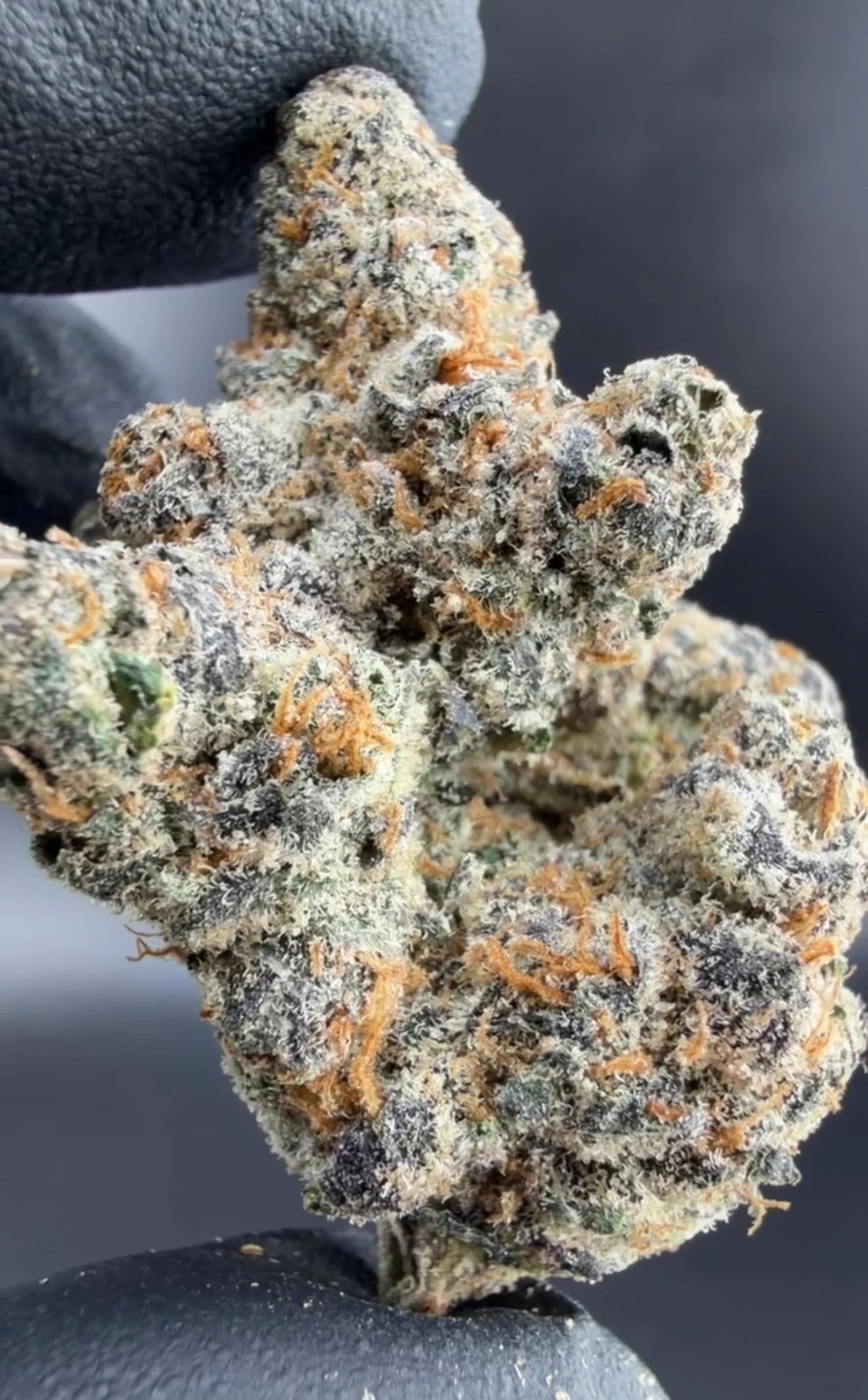 2026
2026