
Hash Rosin Jar vs. Rosin Vape: What the Format Changes—and What It Doesn’t
Jarred hash rosin and rosin vapes can begin with related material, but hardware, handling, storage, and control make them fundamentally different formats.

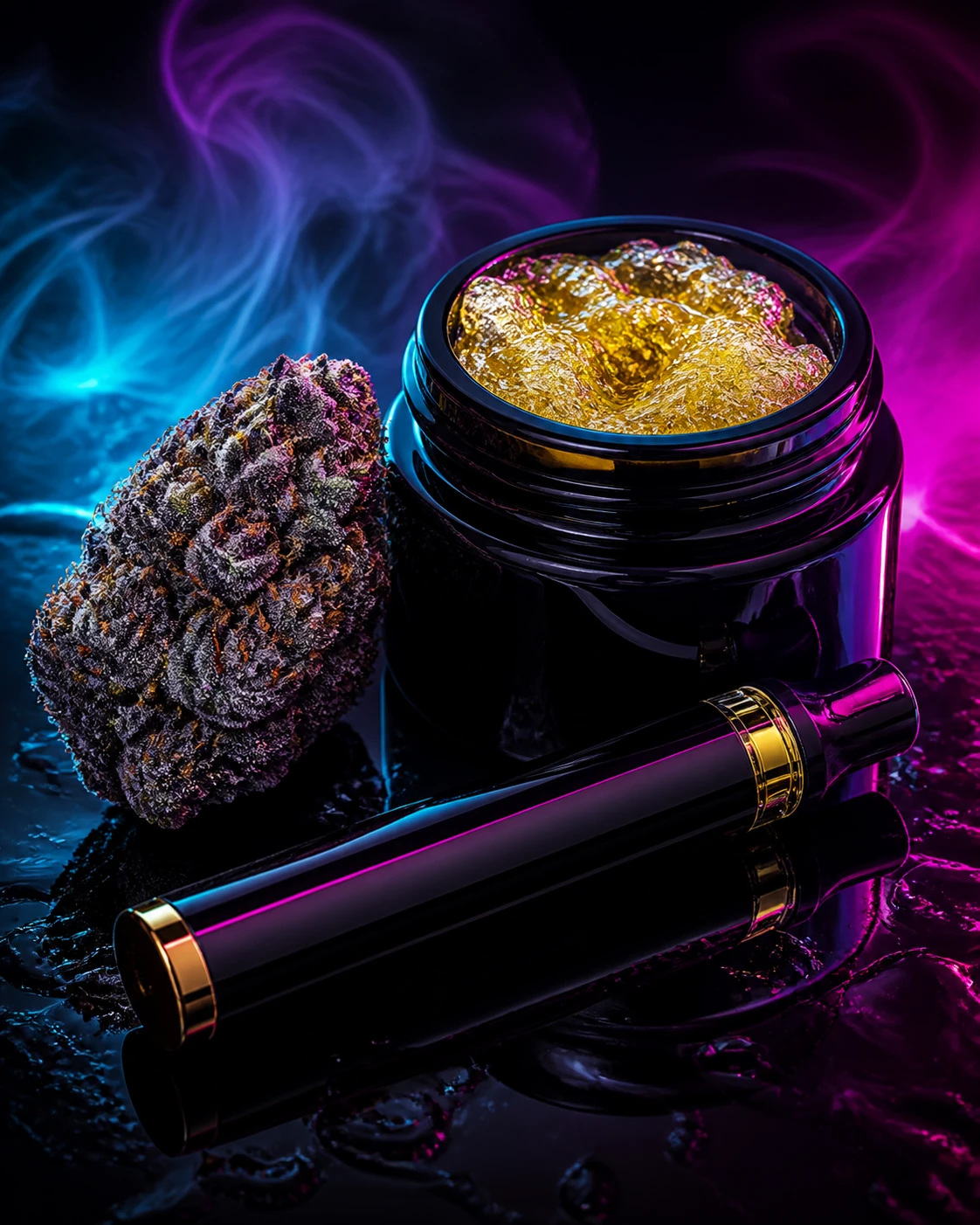
Jarred hash rosin and a rosin vape are not the same product in different packaging. They may begin with related solventless concentrate, but the format changes how that material is stored, presented, handled, and delivered. A jar puts the concentrate itself at the center. A vape pairs concentrate with a heating system, airflow path, power source, and enclosure.
What does not change is the need to evaluate the actual product. “Rosin” on a label does not prove source quality, freshness, grade, hardware fit, or a specific experience. The live listing, batch information, storage history, and device design all matter.
This guide compares the two formats without pretending one is universally better. The right lane depends on what you value: direct access to the concentrate, an integrated portable format, more control over external hardware, or less setup.
Adults only. Follow the product and hardware manufacturer’s instructions. This article is educational information, not medical or safety advice, and it does not make potency, purity, or health claims.
The answer in one glance
Choose jarred hash rosin when you want the concentrate to remain separate from the delivery hardware, you value visual and aromatic inspection, and you are comfortable managing an external setup.
Choose a rosin vape when you want the concentrate and delivery system integrated into a portable device and accept that hardware quality becomes part of the product.
Neither format automatically proves:
- Better source material
- Higher purity
- Greater potency
- A particular grade
- A specific sensory result
- Better testing or compliance
- Longer freshness
Format is one layer. Quality is the full stack.
What jarred hash rosin is
Jarred hash rosin is a solventless concentrate presented in a container, usually without a built-in heating element or battery. The jar preserves a direct view of the material and leaves the user’s compatible external equipment separate from the product.
That separation has consequences.
You can inspect the consistency and presentation without looking through a device window. You can choose compatible hardware independently. You can also close the container and store the concentrate on its own terms, subject to the producer’s guidance.
But a jar is not frictionless. It requires handling and a separate compatible setup. Every opening introduces changes in temperature and atmosphere. Poor storage, dirty tools, prolonged exposure, or careless handling can degrade presentation and aroma.
A jar therefore offers more separation and more control—but it also asks the owner to manage more variables.
Browse the current hash rosin collection for live formats and availability. A collection page, not an old article or screenshot, is the inventory source of truth.
What a rosin vape is
A rosin vape combines concentrate with a purpose-built delivery system. Depending on the product, that system can include a reservoir, wick or wickless intake design, heating element, airflow path, battery, control logic, charging interface, and enclosure.
The convenience is obvious: the concentrate arrives paired with its hardware. There is no separate jar to open and no external concentrate setup to assemble.
The tradeoff is equally important: you are evaluating a system, not only its fill. Hardware can shape consistency, airflow, thermal behavior, leakage resistance, and how much material remains accessible. A well-sourced concentrate in poorly matched hardware is still a compromised format.
That is why “made with rosin” is the start of the evaluation, not the finish.
See the live rosin vapes collection for current devices. Availability, fill size, and device details can change; verify the live listing before making a decision.
The seven differences that matter
1. The hardware relationship
A jar keeps concentrate and delivery hardware separate. A vape sells them as a matched system.
With a jar, the buyer controls the external setup and can replace or maintain that equipment independently. With a vape, the producer or brand has already made key choices about the reservoir, heater, airflow, and power profile.
That pairing can reduce setup, but it also means device design belongs in the quality conversation. Ask what the product page confirms about the hardware. Do not fill gaps with assumptions based on the shell’s appearance.
2. Handling
Jarred rosin is directly handled when the container is opened and material is transferred with a suitable clean tool. That access enables inspection but creates more opportunities for exposure and contamination.
A vape is more enclosed. Routine use does not require opening the reservoir. The enclosure reduces direct handling, but it also limits what you can inspect or correct if the hardware underperforms.
“Sealed” should not be confused with “invulnerable.” Physical damage, heat, improper charging, or storage outside manufacturer guidance can still affect a device.
3. Storage
Both formats benefit from protection against excess heat, direct light, and careless environmental swings. The exact recommendation should come from the producer because consistency, container, formulation, and hardware differ.
For a jar, storage is mainly about the concentrate and the seal. Keep it closed when not being inspected, minimize unnecessary exposure, and avoid introducing moisture or debris.
For a vape, storage is also hardware storage. Keep the device in the orientation and conditions the manufacturer specifies, protect it from impacts, and use only the approved charging method if it is rechargeable.
Do not assume that the coldest possible environment is always best. Moving a cold jar or device into a warm, humid room can create condensation concerns. Follow the listing or packaging guidance instead of improvising.
For a broader framework, read How to Store THCA Flower, Hash Rosin, and Rosin Vapes.
4. Visibility
A jar makes the concentrate visible. Color, texture, homogeneity, and presentation can be observed directly, although appearance alone cannot prove chemistry, purity, freshness, or grade.
A vape may offer a viewing window, but the enclosure and reservoir limit inspection. You may see fill level and color without seeing the material as clearly as it would appear in a jar.
Visibility helps you ask better questions. It is not a substitute for documentation.
5. Portability
A vape is designed as an integrated portable format. It contains the material and compatible delivery components in one enclosure.
A jar is a component, not the whole system. It requires separate compatible equipment and more deliberate handling. That makes it less self-contained.
Portability is not a quality grade. It is a use-case distinction. A smaller, integrated device is not automatically fresher or better, and a jar is not automatically more artisanal.
6. Control
Jarred rosin usually gives the owner more control over the external hardware and how that hardware is maintained, within manufacturer specifications. That flexibility appeals to people who already understand their compatible setup.
A vape deliberately reduces those decisions. The operating range and material path are largely fixed by the device. That can make the format simpler, but it also places more trust in the producer’s hardware pairing.
Control and convenience move in opposite directions here. Decide which one you actually want instead of treating either as a universal virtue.
7. End-of-life behavior
A jar and its external hardware age separately. Finishing the jar does not require discarding a complete powered device.
An all-in-one vape has a finite reservoir and hardware life. Rechargeable does not mean refillable, and refillable should never be assumed unless the manufacturer explicitly says so. Do not open, modify, or repurpose a sealed device.
Disposal rules for batteries and electronic devices vary. Follow local household hazardous-waste or electronics guidance and the manufacturer’s instructions rather than placing a lithium-powered device wherever ordinary trash goes.
What “solventless” does and does not say
Rosin is made through heat and pressure rather than hydrocarbon extraction. Hash rosin begins with separated trichome material before pressing. That production family is why “solventless” has meaning.
But the word does not answer every quality question. It does not identify the cultivar, cultivation method, wash quality, press parameters, storage history, testing program, device materials, or batch age. It also does not make a medical or safety guarantee.
In a vape, “solventless” describes the concentrate pathway; it does not make the hardware disappear from the evaluation.
Look for product-specific facts:
- Named source material or cultivar when confirmed
- Clear net weight or fill amount
- Batch or testing information where provided
- Storage directions
- Hardware description for a vape
- Ingredients or formulation disclosures
- Live availability and current photos
If the listing does not confirm a claim, do not upgrade it through imagination.
Is six-star hash rosin a jar-only concept?
“Six-star” comes from a traditional melt-quality grading vocabulary associated with hash. In modern marketing it is often used more loosely, especially around premium rosin.
A jar may make texture and presentation easier to inspect, but neither a jar nor a vape can self-certify a star grade. The term is not a universal laboratory standard, and a device cannot prove what the starting hash would have done in a separate melt evaluation.
Read Six-Star Hash Rosin, Decoded before treating the phrase as a guarantee.
The disciplined question is: what does the producer specifically mean, and what evidence supports that meaning?
A buyer’s decision grid
Use this quick filter.
Choose a jar if:
- You want direct access to the concentrate.
- You prefer to inspect presentation outside a reservoir.
- You already have compatible external equipment.
- You want hardware and concentrate to remain separate.
- You are prepared to manage storage and handling carefully.
Choose a rosin vape if:
- You want an integrated, portable format.
- You prefer less direct handling.
- You are comfortable letting the producer choose the material-hardware pairing.
- You have reviewed the charging, storage, and disposal instructions.
- You understand that device performance is part of product quality.
Pause before buying either if:
- The live listing does not explain what the format contains.
- Photos or claims do not match the current product page.
- You are relying on a grade word without a definition.
- Storage directions are missing and the seller cannot clarify them.
- The product is not live, is marked unavailable, or lacks required age/location controls.
That last category is not hesitation for its own sake. It is how you keep a format decision from becoming a guess.
Common myths
“A jar is always fresher”
Not automatically. Freshness depends on production date, packaging, seal quality, storage history, and handling. A poorly stored jar can lose desirable characteristics; a properly paired and stored device can preserve its fill differently. Compare confirmed facts.
“A vape is just a jar made portable”
No. A vape adds a reservoir, heating element, airflow system, power source, and enclosure. Those components change the product’s behavior and evaluation.
“Darker means bad”
Color alone is not a reliable verdict. Cultivar, maturity, processing, oxidation, lighting, and format can all influence appearance. Use color as an observation, not a purity test.
“Rosin proves there are no additives”
“Rosin” identifies an extraction pathway, not necessarily the complete formulation of every finished product. Read the ingredient and product disclosures. Do not infer what is not stated.
“Rechargeable means refillable”
No. Rechargeable describes the battery. Refillable describes the reservoir. Treat a sealed device as non-refillable unless the manufacturer explicitly instructs otherwise.
The bottom line
Jarred hash rosin puts the concentrate first and keeps hardware separate. A rosin vape packages concentrate and delivery hardware as one system. The jar offers more visibility, separation, and external control; the vape offers more integration and portability.
Neither format proves the source, grade, freshness, potency, or overall quality by itself.
Start with the use case, then inspect the live product facts. If you want the concentrate as a standalone material, explore the hash rosin collection. If you want an integrated device, compare the rosin vapes collection. In both lanes, verify current availability, follow the producer’s storage and hardware guidance, and keep every product away from minors.
FAQ
Is hash rosin in a vape the same as jarred hash rosin?
It may come from related material, but the finished formats are different. A vape includes a reservoir, heater, airflow path, and power system; a jar does not.
Which format is easier to store?
A vape reduces direct handling, but it adds battery and device requirements. A jar is hardware-free but requires careful sealing and environmental control. Follow the specific producer’s instructions.
Can appearance prove rosin quality?
No. Appearance can help describe consistency and presentation, but it cannot by itself prove purity, potency, freshness, testing, or grade.
Does solventless mean safe?
No single extraction term can guarantee safety. “Solventless” describes the production pathway. Evaluate the complete product, documentation, storage, hardware, and applicable guidance.
Where can I check current Illest Haze availability?
Use the live hash rosin and rosin vape collection pages. Do not rely on an old social post or cached product card.
 2026
2026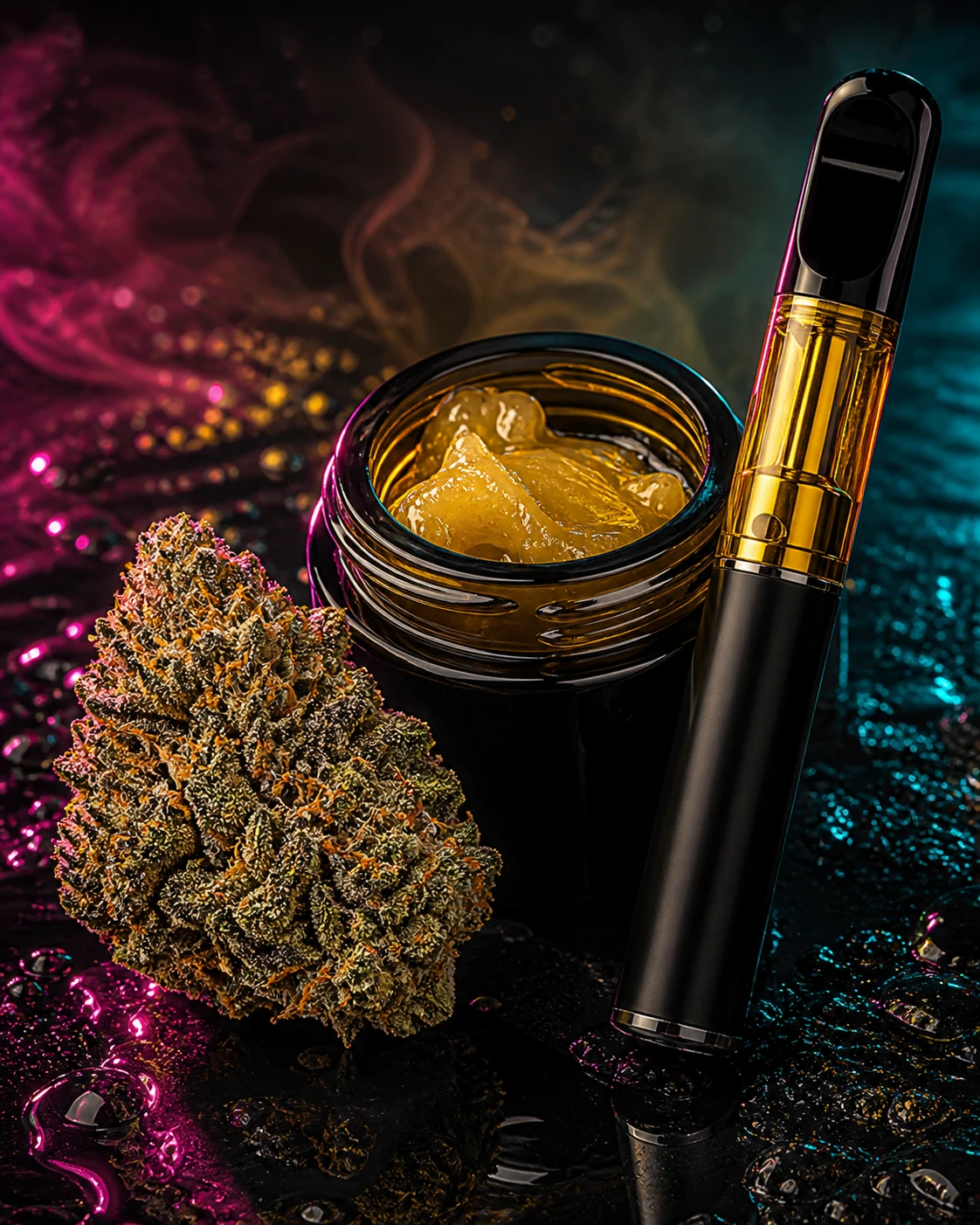 2026
2026 2026
2026