
How to Read a THCA Flower Product Page Without Filling in the Blanks
A good product page separates live facts from marketing language. Use this buyer framework for batch identity, format, inventory, aroma, documentation, and unknowns.

A THCA flower product page should help you answer six questions: What is the item? Which batch or presentation is this? What format and size are offered? What is documented? What is merely descriptive? What remains unknown?
The mistake is not reading too little. It is letting a clean photograph or familiar strain name answer questions the page never addressed.
This field guide uses the current Illest Haze storefront as a practical frame, but the method works anywhere: verify the live facts first, label interpretation second, and leave the blanks blank.
1. Confirm the exact format
“Blue Zushi,” “Honey Banana,” or any other name can appear across flower, hash rosin, and vape products. The name is not the format.
Read the complete title and the selected variant. A flower page should identify flower. A rosin page should identify rosin. A vape page should tell you what the device contains rather than borrowing the reputation of a related flower batch.
On the live Blue Zushi flower page, the title identifies micro-batch living-soil THCA flower. That is a format and cultivation presentation. It does not automatically describe every Blue Zushi item in every collection.
2. Read the page as a dated snapshot
Prices, size variants, inventory, and availability change. A product page viewed today is evidence of what the storefront showed today, not a permanent historical record.
Check:
- whether the page is currently purchasable;
- which variant is selected;
- the current price for that variant;
- visible inventory or availability language; and
- any timestamped drop or batch note.
If an inventory count is visible, treat it as operational information, not guaranteed scarcity. Carts, completed orders, returns, restocks, and adjustments can move the number.
A screenshot from last week should not outrank the live page at checkout.
3. Separate production descriptors from outcomes
Terms such as “living soil,” “micro-batch,” and “hand trimmed” describe cultivation scale or handling choices. They can be meaningful. They still do not prove potency, safety, effects, or superiority by themselves.
Ask what each phrase actually tells you.
- Living soil points to a biologically active growing-medium approach. Read the fuller living-soil flower guide for context.
- Micro-batch describes production context or scale, not a universal quality grade.
- Hand trimmed describes a finishing method.
- Fresh frozen describes starting-material handling, not a solventless extraction method on its own.
Good pages use precise terms. Good readers keep those terms inside their proper boundaries.
4. Treat aroma language as a map, not a lab panel
Aroma descriptions help you compare sensory direction. They do not establish named terpene concentrations unless a matching laboratory document does that.
The Blue Zushi page currently uses “blue candy · cool cream · polished gas.” That creates a clear sequence: bright sweetness, a rounded middle, and a darker finish. It is useful because it is concise.
It is not proof that every person will smell the same thing. It is not a potency result. It is not medical advice. Storage, age, temperature, and individual perception all affect the experience.
Look for focused language that helps you distinguish one live batch from another. Be skeptical when dozens of adjectives create more fog than information.
5. Do not turn a strain name into a pedigree
A familiar name may suggest a widely repeated lineage, but the page must establish the specific breeder, parents, or selection before you treat that story as confirmed for the item in front of you.
Search-engine repetition is not source documentation. One site copies another; the copied claim becomes familiar; familiarity gets mistaken for proof.
A disciplined product page either supplies the pedigree and attribution or leaves it unstated. A disciplined buyer does the same. If lineage matters to your decision, ask for the source rather than filling the gap with the most popular answer.
6. Match any COA to the item
A certificate of analysis is useful only to the extent that it is authentic, relevant, and matched.
Before relying on a report:
- Compare the product and batch or lot identifiers.
- Check the lab name and report date.
- Confirm the sample type.
- Read the units and reporting limits.
- Distinguish “not detected” from “not tested.”
- Note which analyte panels are present and which are absent.
A beautifully designed PDF can still be the wrong document. A QR code can still lead to an old lot. Use the Illest Haze COA reading guide to slow the process down.
Never accept a cropped screenshot that hides identifying fields as a complete substitute for the report.
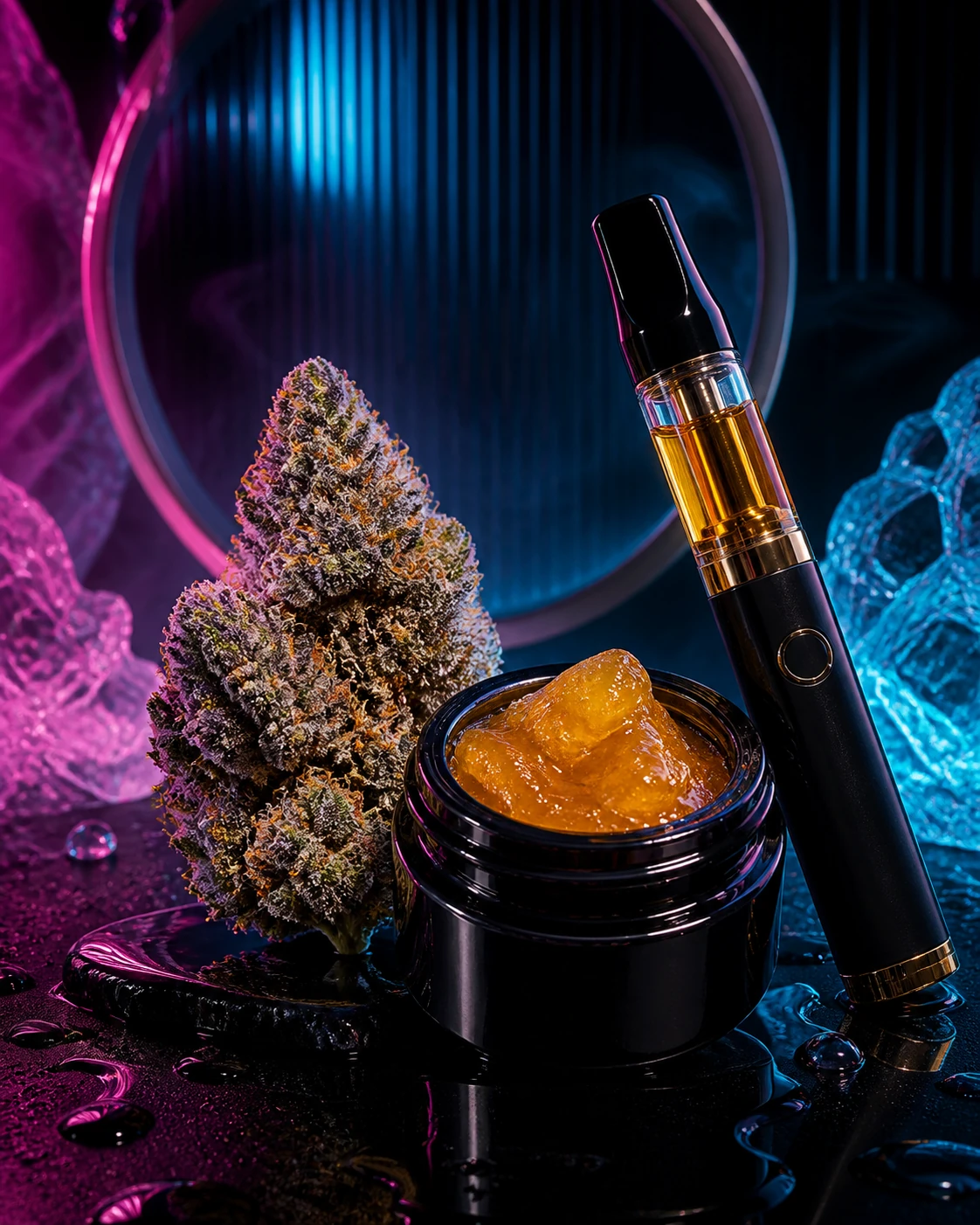
7. Use imagery for identity and condition—not invisible claims
Real product photography helps confirm presentation, packaging, general structure, and visible condition. It cannot show cannabinoid percentage, contaminant status, terpene concentration, effects, or legal status.
Ask whether the image is:
- the actual product or an editorial illustration;
- current to the listed batch;
- clearly labeled;
- shown from useful angles; and
- free of filters that distort the material.
Illest Haze uses real product imagery when it is the truthful choice and keeps conceptual editorial art separate. That line matters. A generated image should never impersonate a product photo or certificate.
8. Check storage responsibility at larger sizes
A larger variant is not just a better unit price. It is more material to store and more time during which heat, light, oxygen, and container choice can affect condition.
Choose quantity based on a real use case. Confirm that you can store it appropriately before buying. The flower and rosin freshness guide covers the basic handling principles.
Inventory language should not push you into a size you cannot responsibly keep.
9. Verify legal and shipping context separately
A product title does not create nationwide legality. Federal definitions, state restrictions, local rules, licensing requirements, shipping policies, and product-specific facts can all matter.
Review the seller’s compliance page, then verify the law that applies to your location and circumstances. Do not treat a checkout page as legal advice.
Age gates and adult-audience rules are boundaries, not decorative friction. Do not purchase for minors or market regulated products to them.
A 60-second product-page check
Before adding to cart, run this sequence:
Identity: exact product and format.
Live status: current variant, price, and availability.
Documented attributes: cultivation, handling, aroma, and any batch identifiers actually published.
Evidence: a matching COA or other relevant document, when supplied.
Unknowns: lineage, dates, lab values, or outcomes the page does not establish.
Fit: quantity, storage, jurisdiction, and your own decision criteria.
If the page cannot answer something important, pause. A blank is better than a confident fiction.
FAQ
Does “living soil” mean the flower is safer?
No. Living soil describes a cultivation approach. Safety conclusions require relevant testing, handling context, and accurate product matching.
Does a strain name prove genetics?
No. Look for confirmed breeder attribution, parents, and selection information tied to the product. Do not substitute repeated internet claims.
Is visible inventory a guarantee?
No. It is a current storefront snapshot that can change. Confirm availability at checkout.
Can a product photo prove potency?
No. Photography can show appearance and presentation. Potency requires appropriate, correctly matched test data.
What should I do if the COA does not match?
Do not rely on it for that item. Contact the seller for clarification before making a decision.
Read the live page, then make the call
The goal is not suspicion for its own sake. It is clean information. Browse the current THCA flower collection, open the exact product that interests you, and use the six-question frame. Confirm what is there. Mark what is not. Buy from the page you can verify—not the story you had to invent.
 2026
2026 2026
2026 2026
2026