
Fresh Frozen, Explained: What the Label Means in Hash Rosin and Live Resin
Fresh frozen describes the starting material—not the extraction method, quality grade, potency, or safety. Here is how to read the label across formats.

Fresh frozen describes the plant material at the front of the process. It generally means the harvested material was frozen promptly instead of being dried and cured first. It does not, by itself, tell you whether the finished product is hash rosin, live resin, a vape, “six-star,” high potency, safe, or well made.
That one distinction clears up most of the confusion.
Hash rosin and live resin can both begin with fresh-frozen material. They take different processing lanes from there. If a label only says “fresh frozen,” you still need to ask what was made, how the product is presented, and what batch documentation is available.
Fresh frozen is an input description
Drying and curing change plant material. Freezing promptly after harvest is intended to preserve the material in a state closer to harvest for later processing. In concentrate production, that choice can help retain volatile aromatic compounds and the physical characteristics processors are trying to capture.
But “fresh frozen” is not a quality grade. It does not confirm:
- How quickly the material was frozen.
- Storage temperature or handling history.
- The quality of the starting flower.
- The extraction or separation method.
- The cleanliness of the process.
- Potency, purity, or safety.
- The accuracy of a strain name.
- A medical or subjective effect.
Treat it as the first line in a process description, not the final verdict.
Fresh-frozen hash rosin: the solventless lane
Fresh-frozen hash rosin usually begins with frozen plant material that is mechanically separated—commonly through ice-water washing—to collect resin heads. That collected hash is then prepared and pressed with heat and pressure to produce rosin.
The defining idea is mechanical separation and pressing without hydrocarbon extraction solvents. The exact equipment, micron selections, handling, and pressing choices vary by producer and batch.
A label such as “micro-batch fresh-frozen hash rosin” therefore communicates several different things:
- Fresh frozen: the starting material was frozen instead of dried and cured first.
- Hash: resin was separated into a hash input.
- Rosin: heat and pressure were used to press that input into the finished concentrate.
- Micro batch: the release is presented as a smaller production batch, not a universal quality guarantee.
For a separate look at grading language, read Six-Star Hash Rosin, Decoded.
Fresh-frozen live resin: the extraction lane
Live resin also usually begins with plant material frozen promptly after harvest. The difference is the extraction method. Live resin is generally produced using solvents in a controlled extraction process, with post-processing designed to remove the processing solvents and reach the intended consistency.
The word “live” points to the fresh-frozen input. The word “resin” identifies the concentrate category. Neither word tells you the complete process or final formulation.
That matters even more with vapes. A live-resin vape may include hardware-specific formulation choices. A dual-chamber device adds another variable: which material sits in each chamber, how the airflow is configured, and how the device presents or combines them.
A buyer should not infer “solventless” from “live.” If the product is hash rosin, the label should say hash rosin. If it is live resin, the label should say live resin.
The quickest comparison
Fresh-frozen hash rosin
- Starting material: frozen promptly after harvest
- Core process lane: mechanical separation, then heat and pressure
- Does “fresh frozen” prove the method? No; the rest of the label must identify rosin.
- Solventless? Rosin is a solventless concentrate category.
- Can it appear in a vape? Yes, with hardware and formulation considerations.
- Does the name prove quality or safety? No.
Fresh-frozen live resin
- Starting material: frozen promptly after harvest
- Core process lane: solvent-based extraction, then post-processing
- Does “fresh frozen” prove the method? No; the rest of the label must identify live resin.
- Solventless? No.
- Can it appear in a vape? Yes, with hardware and formulation considerations.
- Does the name prove quality or safety? No.
This is a format map, not manufacturing guidance. Production requires specialized training, equipment, controls, testing, and compliance.
Why the same cultivar can feel different across formats
Even when flower, rosin, and a vape carry the same cultivar name, the delivery format changes the experience around the product.
A jar of rosin puts handling, temperature, tool choice, and device setup in the buyer’s hands. A disposable puts more of that behavior into the hardware: reservoir, airflow, heating element, firmware, and storage position.
That is why jarred hash rosin and a rosin vape are not interchangeable. Fresh-frozen input can connect the formats, but it does not erase their mechanical differences.
The same caution applies to cultivar identity. A matching name may indicate a shared selected source. It does not guarantee that every aroma note will present with the same intensity after processing and storage.
What “six-star” adds—and what it does not
“Six-star” is commonly used as a premium full-melt hash quality signal. When paired with “fresh-frozen hash rosin,” it can be confusing because the label may refer to the quality of the hash input, a house grading system, or broader product positioning.
It still does not replace batch evidence.
A six-star label does not automatically establish potency, cleanliness, safety, or a standardized result across every producer. Ask what the grade refers to and whether the seller explains its criteria.
The strongest product page makes the layers legible: cultivar, input, process category, finished format, size, batch, and supporting documentation.
A buyer’s label-reading checklist
1. Name the finished product
Is it flower, hash, hash rosin, live resin, a vape, or something else? “Fresh frozen” is not the finished category.
2. Find the process word
Look for “hash rosin,” “live resin,” or another clear process category. Do not fill in a missing term with an assumption.
3. Match the cultivar to a live page
Use the current product URL, not a recycled social image or a story about an older batch.
4. Check the format and size
A jar and a disposable can carry the same cultivar name while requiring different handling and offering different control.
5. Read the batch documentation
A certificate of analysis can report tested analytes for the submitted sample. It cannot prove every marketing claim, every handling step, or how every unit will perform.
6. Inspect storage guidance
Temperature, light, air exposure, and time can change texture and aroma. Follow the seller’s format-specific directions and read the Illest Haze freshness guide.
7. Verify legality and age requirements
Hemp and cannabinoid rules vary by jurisdiction and can change. Review compliance information and applicable law before ordering.
Red flags in fresh-frozen copy
Be cautious when “fresh frozen” is used to imply conclusions it cannot support.
Red flags include:
- No finished product category.
- No live product URL.
- A medical or guaranteed-effect claim.
- Potency claims without batch evidence.
- “Solventless live resin” language that never explains the actual category.
- A six-star claim with no grading context.
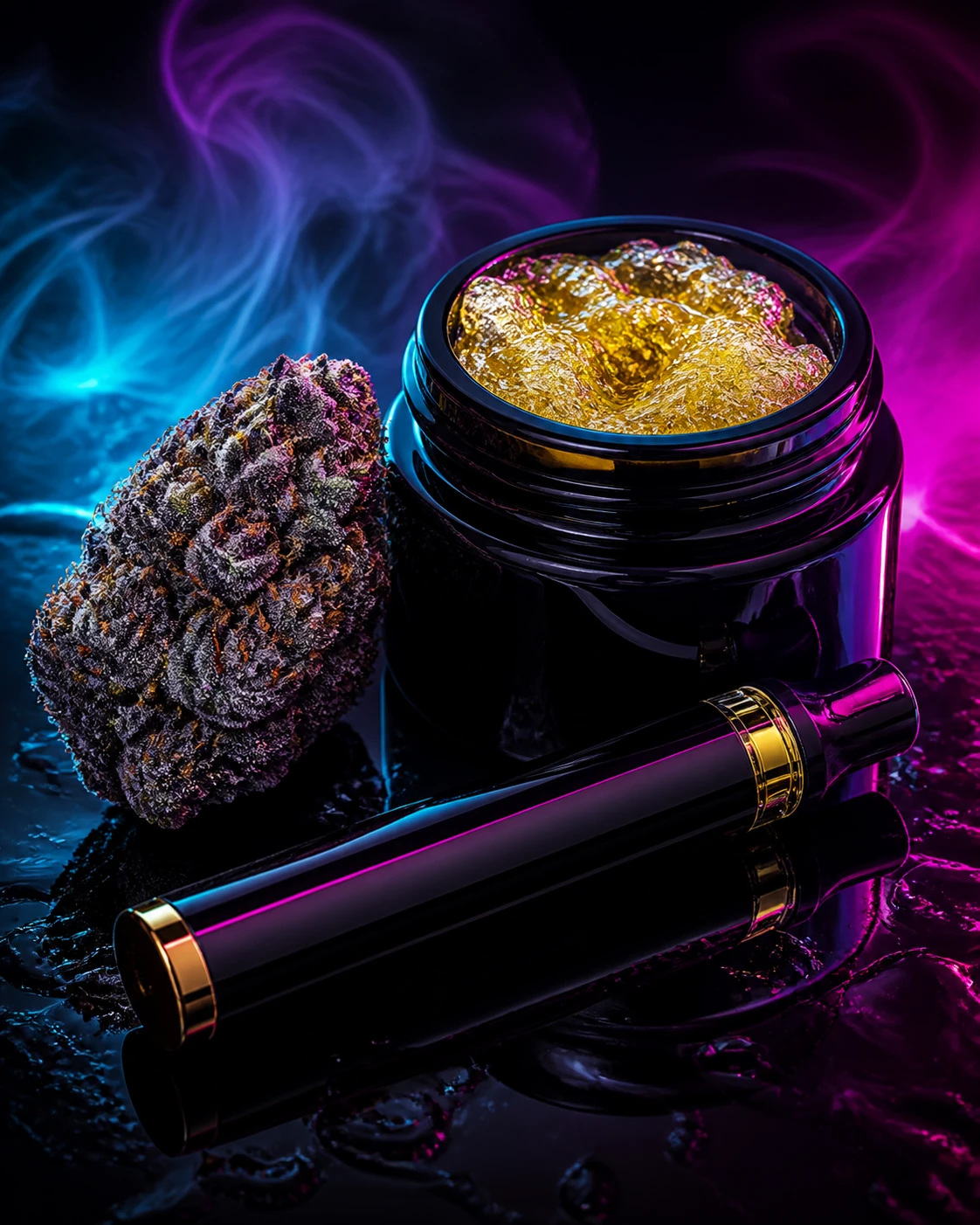
- Generic artwork presented as if it were a real product photo.
- Urgency copied from an old drop after the product sold out.
Clean editorial does not need those shortcuts.
How Illest Haze uses the terms
The current catalog separates hash rosin and rosin vapes into distinct shopping lanes. Product names identify fresh-frozen hash rosin where that is the format. A separate live-resin product uses live-resin language.
That separation helps buyers compare like with like. It also gives editorial pages a better internal-link structure: education can explain the category, while the live product page carries the current price, inventory, size, and batch description.
FAQ
Does fresh frozen mean solventless?
No. Fresh frozen describes the starting material. Hash rosin is a solventless concentrate category; live resin is generally produced through solvent-based extraction.
Is fresh-frozen hash rosin always six-star?
No. Fresh frozen and six-star describe different things. One concerns the input state; the other is a quality-grade claim that needs context.
Is live resin the same as a rosin vape?
No. Live resin and hash rosin are different concentrate categories. Both can be used in vape hardware, but the input and processing lane differ.
Does freezing increase potency?
The label alone cannot establish that. Potency requires batch-specific test data, and test results have their own scope and limitations.
Which format is better?
The better format depends on the level of control, portability, hardware, handling, and product transparency you want. There is no universal winner.
Shop with the full sentence
“Fresh frozen” should never be the only thing you know. Read the full product name, identify the process category, check the live batch page, review the available documentation, and choose the format deliberately.
Explore the current hash rosin collection and rosin vape collection. For adults of legal age only. No medical claims; availability and legality vary.
 2026
2026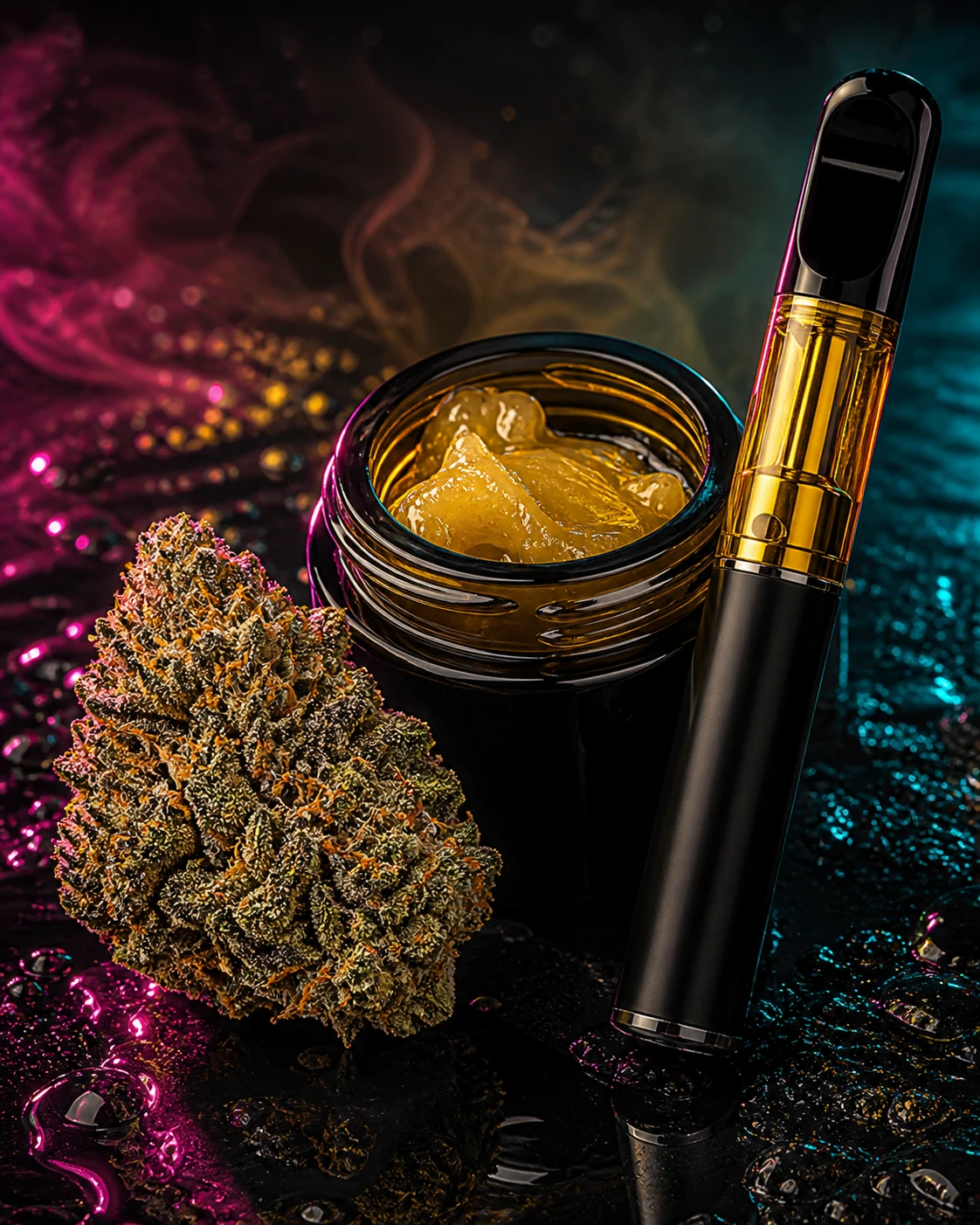 2026
2026 2026
2026